Laurie Murphy
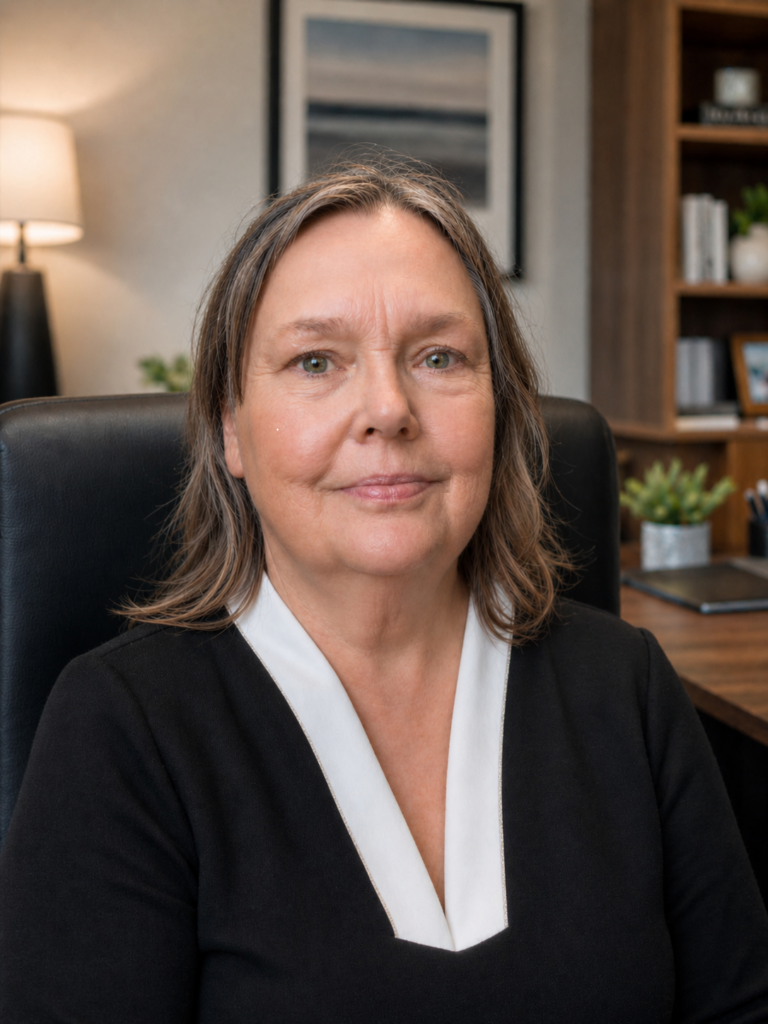
Laurie Murphy
National Director & Principal Strategic Architect, 25 Voices on Aging
Laurie Murphy is a veteran strategist and resource architect with over 30 years of leadership in the aging services and systems mobilization sectors. As National Director of 25 Voices on Aging, she leads an independent national initiative that translates the operational realities of the most aging-dense counties in the U.S. into actionable frameworks for national planners and policy leaders.
A recognized expert in strategic community organizing, Laurie has architected the structural models for multiple national mobilizations, aligning diverse networks to achieve measurable, systems-wide change. Her work on strategic planning and mobilization has been published by Emerald Publishing Limited, and in 2011, her leadership was recognized with an invitation to the White House Community Leaders Briefing Series.
Laurie holds CITI Certification in Social & Behavioral Research (SBE), Comprehensive, with supplemental coursework in Research with Older Adults, Community-Engaged Research, Privacy and Confidentiality, Conflicts of Interest, and Vulnerable and Decisionally Impaired Populations.
Today, Laurie’s methodology—“Re-Planning for Proportional Shift”—provides a pragmatic roadmap for a future that has already arrived. By integrating hard demographic data with the field-level intelligence of local leadership, she offers national, state, and local planners the grounded guidance necessary to rethink infrastructure, housing, and social systems in an aging America.
25 Voices on Aging
25 Voices on Aging is a national initiative examining how the Aging of America is reshaping communities through the experiences of the Charter 25 Counties — the U.S. counties with the nation’s highest proportion of residents age 65 and older.
Drawing on decades of experience in aging services, nonprofit leadership, grassroots organizing, and national stakeholder engagement, Laurie’s work blends data, lived experience, and community insight to help communities better understand and prepare for the demographic shifts ahead.
.